
FOSTERLANG: a new EU Horizon project
aimed at revitalising minority languages in Europe
FOSTERLANG (Fostering linguistic capital: a roadmap for reversing the diversity crisis and activating societal benefits in Europe) is a new, three-million-euro European flagship project aimed at protecting and revitalising endangered and minority languages in Europe. It was launched in May 2025. At the Carinthia University of Teacher Education (PHK), the key project partner in the field of education, the project team is currently being assembled.
Funded by the European Commission under the Horizon Europe programme, the project aims to transform the recognition, appreciation and strengthening of the linguistic and human capital of speakers of minority and migrant languages for the benefit of their communities and Europe as a whole.
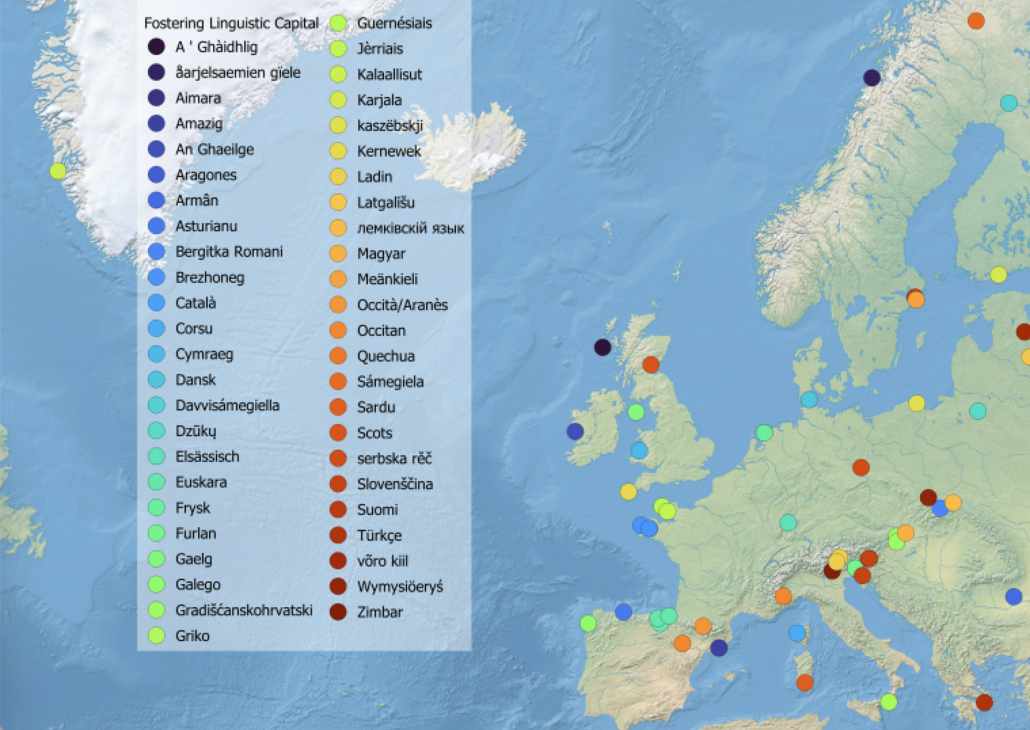
The project consortium comprises 14 institutional partners and 48 language communities, bringing together expertise in the fields of decolonial linguistics, language policy, language revitalisation, social anthropology, multilingual education and pedagogy, language planning and technological innovation. The FOSTERLANG project will encompass comparative studies, cross-case developments and pilot implementations of practical solutions.
One of the key outputs will be the Linguistic Capital Road Map, which will contain short-, medium- and long-term recommendations for effective and meaningful strategies to promote linguistic capital in Europe and to protect minority languages. The project coordinator, Prof. Justyna Olko of the University of Warsaw, told the media: “We are excited about the opportunities offered by this collaborative project between academic and social partners. We are working together to promote linguistic diversity and the self-determination of language communities, and to enhance their potential for Europe’s well-being and socio-cultural prosperity.” Daniel Wutti, Professor of Multilingualism and Intercultural Education at the PHK, adds as a partner: “In the field of education, we want to find out under which educational policy conditions minority languages are most frequently spoken and taught. To this end, we are comparing Basque and Catalan in Spain, Slovenian in Carinthia, Kashubian in Poland and Welsh in Wales.”
The project will focus on promoting linguistic capital, not only from the perspective of safeguarding linguistic diversity, but also to demonstrate how speakers of minority languages can enhance the economic, demographic, social and health-related components of human capital. The three-year project is being carried out by the University of Warsaw in collaboration with the European Language Equality Network (ELEN), Linguapax International, Adam Mickiewicz University in Poznań, the Max Planck Institute for Psycholinguistics, the University of the Basque Country (Euskal Herriko Unibertsitatea), the University of Oslo, the University of the Highlands and Islands, Prifysgol Cymru Y Drindod Dewi Sant/University of Wales Trinity Saint David, Dublin City University and the Carinthia University of Education. In addition, there are non-governmental organisations representing Kashubian, Lemko and Wymysorys (Naja Skola, Association Ruska Bursa and Association Wilamowianie), ELEN member organisations and other cooperating language communities. (Fosterlang 2025)
FOSTERLANG: a new EU Horizon project
aimed at revitalising minority languages in Europe
FOSTERLANG (Fostering linguistic capital: a roadmap for reversing the diversity crisis and activating societal benefits in Europe) is a new flagship European project worth three million euros, aimed at protecting and revitalising endangered and minority languages in Europe. It began on 1 May 2025 at the Carinthian University of Education, the most important project partner in the field of education, where the project team is currently being formed.
The aim of the project, which is funded by the European Commission under the Horizon Europe programme, is to bring about a transformative impact on how the linguistic and human capital of speakers of minority and migrant languages is recognised, valued and strengthened for the benefit of their communities and Europe as a whole.
The project consortium comprises 14 institutional partners and 48 language communities, bringing together expertise in the fields of decolonial linguistics, language policy, language revitalisation, social anthropology, multilingual education and pedagogy, language planning and technological innovation. The FOSTERLANG project will involve comparative studies, the development of various case studies and the pilot implementation of practical solutions.
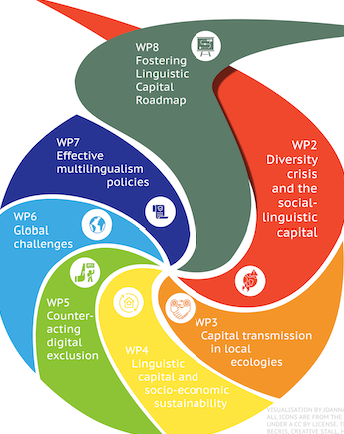
One of the main outcomes will be the Linguistic Capital Road Map, which will contain recommendations for effective short-term, medium-term and long-term strategies to promote European linguistic capital and safeguard minority languages.
The project coordinator, Professor Justyna Olko (University of Warsaw), said in an interview with the media: “We are excited about the opportunities presented by this joint project, which brings together academic and social partners. Together, we will strive to promote linguistic diversity and strengthen the self-image of language communities, thereby enhancing their potential to contribute to Europe’s well-being and its cultural and social progress.” Daniel Wutti, Professor of Multilingualism and Intercultural Education at the Carinthian University of Education, adds his plans as a partner: “In the education sector, we aim to identify the educational and policy contexts in which minority languages are most commonly spoken and taught. In doing so, we are comparing Basque and Catalan in Spain, Slovenian in Carinthia, Kashubian in Poland and Welsh in Wales.”
The project will focus on promoting linguistic capital not only from the perspective of safeguarding linguistic diversity, but also by demonstrating how the languages and speakers of minority languages can strengthen the economic, demographic, social and health components of human capital.
The three-year project will be led by the University of Warsaw in partnership with the European Language Equality Network (ELEN), Linguapax International, Adam Mickiewicz University in Poznań, the Max Planck Institute for Psycholinguistics, the University of Oslo, the University of the Basque Country (Euskal Herriko Unibertsitatea), the University of the Highlands and Islands, Prifysgol Cymru Y Drindod Dewi Sant/University of Wales Trinity Saint David, Dublin City University and the Carinthian University of Education. They will be joined by non-governmental organisations representing the Kashubian, Lemko and Wilamowian languages (Naja Skola, the Ruska Bursa Association and the Wilamowianie Association), ELEN member organisations and other participating language communities. (Fosterlang 2025)
FOSTERLANG: the new EU Horizon project
aimed at boosting Europe’s minority languages
FOSTERLANG (Fostering linguistic capital: a roadmap for reversing the diversity crisis and activating societal benefits in Europe) is the new three-million-euro flagship European project aimed at safeguarding and promoting Europe’s endangered and minority languages. It began in May 2025. At the University of Teacher Education Carinthia, a key project partner in the field of education, the project team is currently being assembled.
The project, funded by the European Commission under the Horizon Europe programme, aims to bring about a transformative change in how the linguistic and human capital of speakers of minority and migrant languages is recognised, valued and strengthened for the benefit of their communities and Europe as a whole.
The project consortium comprises 14 institutional partners and 48 language communities who bring together expertise in engaged and decolonial linguistics, language policy, language reclamation, social anthropology, multilingual education and pedagogy, language planning, and technological innovation. The FOSTERLANG project will involve comparative studies, cross-case developments and pilot implementations of practical solutions.
One of the key outcomes will be a Linguistic Capital Road Map, which will set out a comprehensive set of short-, medium- and long-term recommendations on effective and meaningful strategies for fostering Europe’s linguistic capital and safeguarding minority languages.
Speaking to the media, the project co-ordinator, Prof. Justyna Olko (University of Warsaw), said:
“We are thrilled by the opportunities generated by this collaborative project bringing together academic and social partners. We will be working together to foster linguistic diversity and the self-empowerment of language communities, enhancing their potential for Europe’s wellbeing and socio-cultural prosperity.” Daniel Wutti, professor of multilingualism and intercultural education at the University of Teacher Education Carinthia, outlines his plans as a partner: “In the education sector, we aim to identify the educational and political contexts in which minority languages are most commonly spoken and taught. To this end, we are comparing Basque and Catalan in Spain, Slovenian in Carinthia, Kashubian in Poland and Welsh in Wales.”
The project will focus on fostering linguistic capital not only from the perspective of protecting language diversity, but also by demonstrating how speakers of contested languages can enhance economic, demographic, social and health-related aspects of human capital.
The three-year project will be led by the University of Warsaw in partnership with the European Language Equality Network (ELEN), Linguapax International, Adam Mickiewicz University in Poznań, the Max Planck Institute for Psycholinguistics, Euskal Herriko Unibertsitatea/University of the Basque Country, the University of Oslo, the University of the Highlands and Islands, Prifysgol Cymru Y Drindod Dewi Sant/University of Wales Trinity Saint David, Dublin City University, and Pädagogische Hochschule Kärnten/University of Teacher Education Carinthia. They will be joined by NGOs representing Kashubian, Lemko and Wymysorys (Naja Skola, Association Ruska Bursa and Association Wilamowianie), ELEN member organisations and other collaborating language communities. (Fosterlang 2025)

Funded by the European Union. Views and opinions expressed are however those of the author(s) only and do not necessarily reflect those of the European Union or European Research Executive Agency. Neither the European Union nor the granting authority can be held responsible for them.
Project FOSTERLANG: “Fostering Linguistic Capital: A Roadmap for Reversing the Diversity Crisis and Activating Societal Benefits in Europe”, GA no 101178387, Horizon Europe (HORIZON).