
Successful launch of the FOSTERLANG project in Wilamowice, Poland
The new EU-funded Fosterlang project was successfully launched in Wilamowice, Poland, with an opening event. The event brought together representatives from across Europe and featured presentations on the minority languages spoken in Poland, as well as numerous workshops and discussions on effective strategies for language revitalisation. One piece of welcome news was that the town’s endangered language – Wymysiöeryś – is set to be officially recognised by the Polish government, subject to the President’s approval.
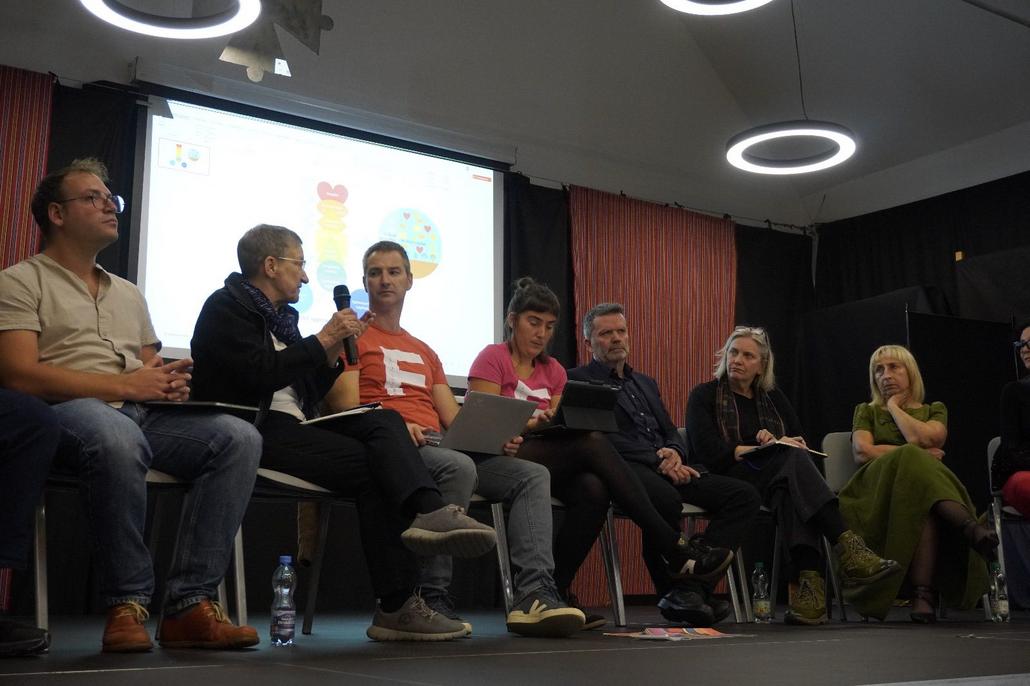
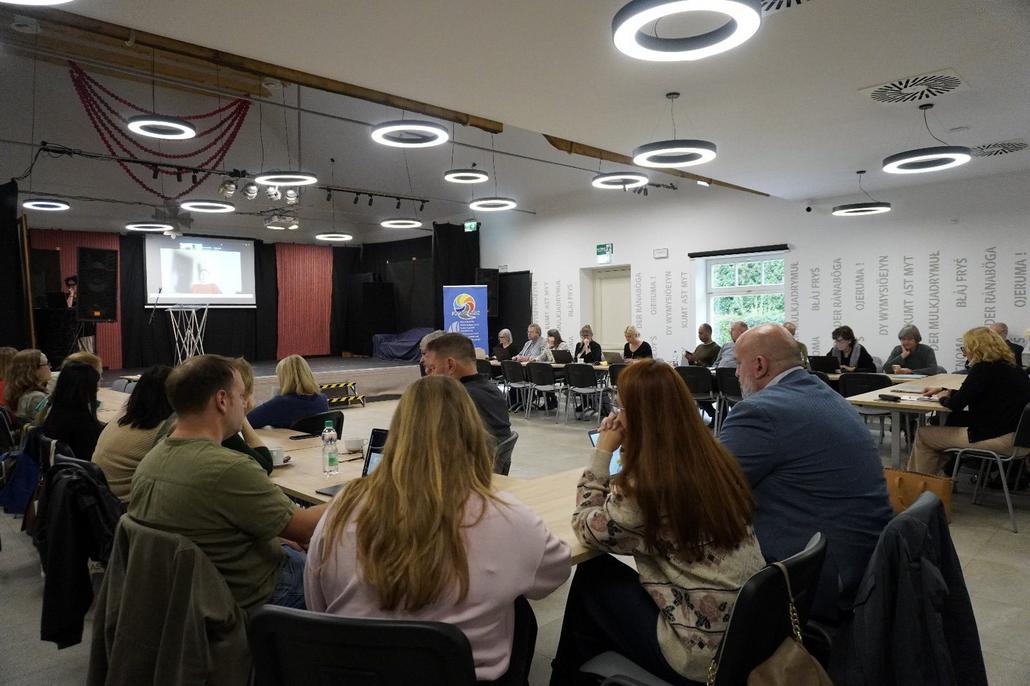
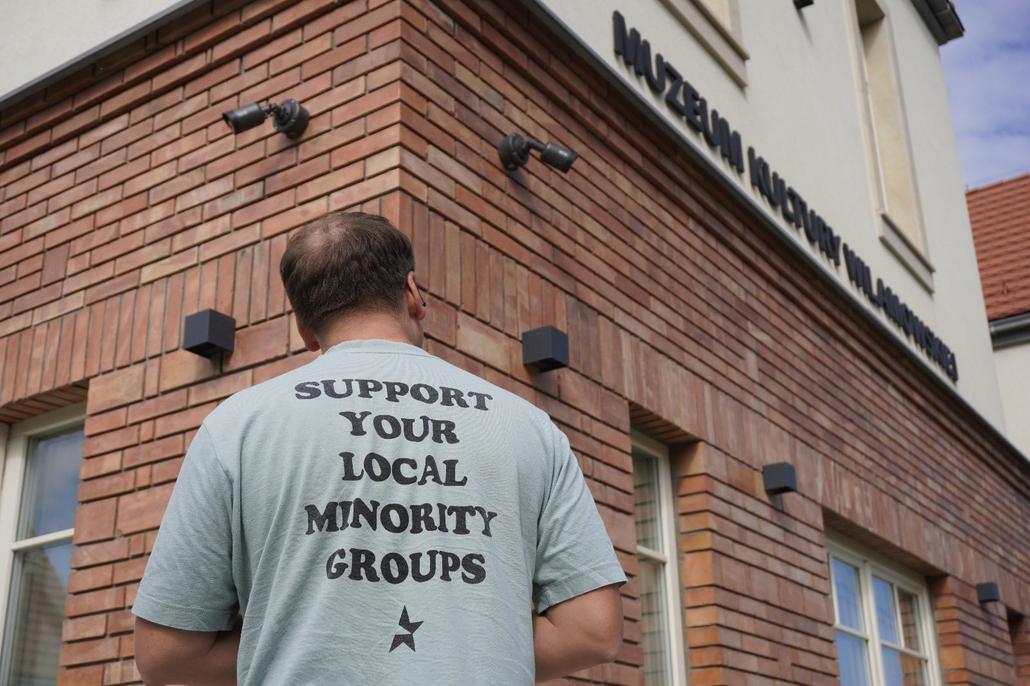
The event, which took place from Thursday 25 September to Saturday 27 September at the Museum of Wilamowice Culture in Wilamowice, comprised a range of activities, including presentations, workshops and a focus group discussion with leading academics and activists from the language community. A wide range of topics were addressed, including the current challenges facing speakers of Wymysiöeryś, Lemko and Kashubian; the effective intergenerational transmission of language; grassroots multilingualism and its sustainability; and the redefinition and operationalisation of linguistic capital. Saturday was devoted to the Second Wilamowice Conference and focused on the research, revival and revitalisation of the Wymysiöeryś language.
In her opening address, the project coordinator, Prof. Justyna Olko (University of Warsaw), announced the welcome news that Wymysiöeryś may be officially recognised as a minority language by the Polish government. She explained (in English) that this showed that “a language, however small it may be, should be supported and regarded as a source of pride and enrichment for the whole country”.
The opening presentations focused on the revitalisation efforts for Wymysiöeryś, led by the key revitalisers and experts Tymoteusz Król and Justyna Majerska – both of whom have played a key role in the town’s linguistic and cultural revitalisation efforts. Dr Król highlighted how external interest in Wymysiöeryś as a case study has helped to demonstrate what is possible in the revitalisation of a language.
A highlight was the workshop on networking and exchange, which brought together various organisations to discuss effective networking. Izar Mendiguren from Aiaraldea Ekintzen Faktoria commented (in Basque): “When we network, anything is possible. The result of networking is the building of communities. A single wave doesn’t achieve much on its own, but many waves together can move an ocean.”
Another highlight was the practical afternoon workshop ‘See, hear and discover your strengths’ with local parents and teachers from Wilamowice Primary School, which explored how adults can create a diverse and supportive multilingual environment for children.
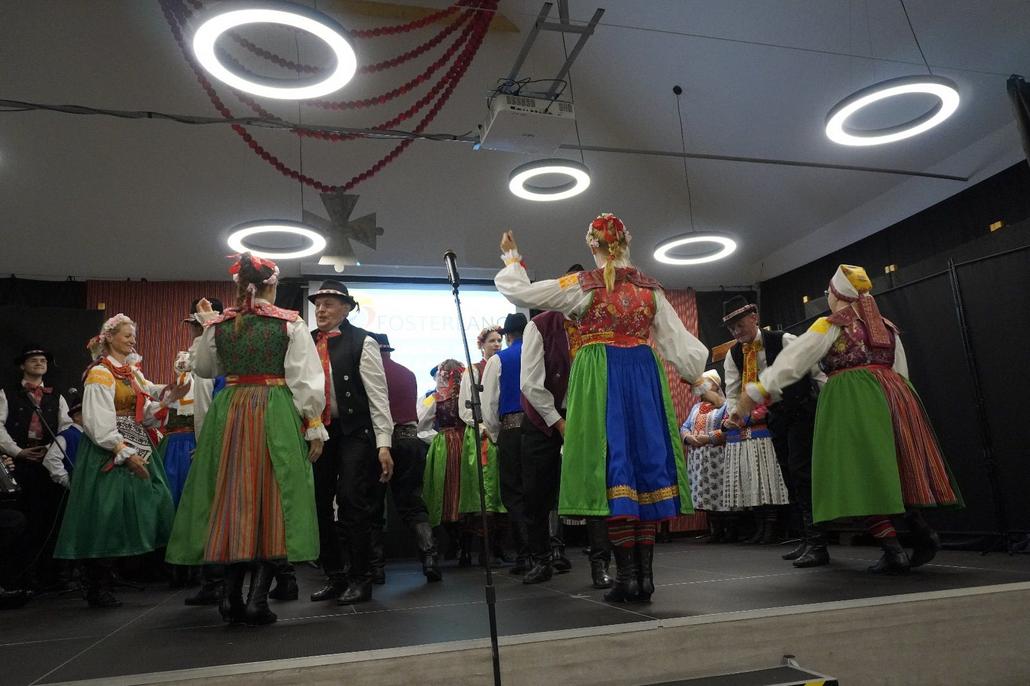
On Friday, the Fosterlang event celebrated the European Day of Languages with a lively musical programme by the Wilamowice Dance Ensemble, which performed a series of traditional dances to an enthusiastic audience. This was followed by an impressive performance by the Ufa Fisa Reviteatralisation Group, who presented their play ‘Hołdy Bołdy’ in two languages – Polish and Wymysiöeryś – accompanied by bilingual stage projections.
The event was preceded by an interdisciplinary workshop entitled “Language and Trauma: Grassroots Multilingualism, Trauma and Healing. Revitalisation and Experiences of Minorities”, organised by Prof. Judith Purkharthofer from the University of Essen on 23 and 24 September.
Successful launch of the FOSTERLANG project in Wilamowice, Poland
The new EU-funded Fosterlang project got off to a successful start in Wilamowice, Poland, with an opening event that brought together representatives from across Europe. The event featured presentations on the minority languages spoken in Poland, as well as numerous workshops and discussions on effective approaches to language revitalisation. Further good news was that the town’s endangered language, Wymysiöeryś, is to be officially recognised by the Polish government, once the President has confirmed the approval.
The event, which took place from Thursday 25 September to Saturday 27 September at the Museum of Wilamowice Culture in Wilamowice (Wilamowice, PL), featured a range of activities, including presentations, workshops and a focus group discussion with leading experts and community activists. Topics discussed included the challenges faced by speakers of Wymysiöeryś, Lemko and Kashubian; effective intergenerational language transmission; ‘grassroots multilingualism’ and its sustainability, and the redefinition and operationalisation of linguistic capital. Saturday was devoted to a conference focusing on research, the revival and revitalisation of the Wymysiöeryś language.
At the opening event, the project coordinator, Prof. Justyna Olko (University of Warsaw), highlighted the good news that Wymysiöeryś may be officially recognised as a minority language by the Polish government. She said (in English) that this shows that “a language, no matter how small, should be supported and treated as a source of pride and wealth for the whole country”.
The introductory presentations focused on efforts to revive the Wymysiöeryś language, led by its key revitalisers and experts, Tymoteusz Król and Justyna Majerska – both of whom have been instrumental in the town’s linguistic and cultural revival. Dr Król emphasised how external interest in Wymysiöeryś as a case study had helped to demonstrate what can be achieved in language revitalisation.
A highlight of the event was a workshop on networking and exchange, at which various organisations came together to discuss effective networking. Izar Mendiguren from Aiaraldea Ekintzen Faktoria commented (in Basque): “When we come together, anything is possible. The result of networking is community building. A single wave on its own does not achieve much, but many waves together can move the ocean.”
Another highlight was the practical afternoon workshop ‘See, Hear and Discover Your Strengths’ with local parents and teachers at Wilamowice Primary School, where they explored how adults can create a rich and supportive multilingual environment for children.
On Friday, the Fosterlang event marked the European Day of Languages with a lively musical performance by the Wilamowice dance ensemble, which performed a series of traditional dances to an enthusiastic audience. This was followed by a wonderful performance by the Ufa Fisa Reviteatralisation Group, who staged their play ‘Hołdy Bołdy’ bilingually, in Polish and wymysiöeryś, against a bilingual backdrop on stage.
The event was preceded by an interdisciplinary workshop entitled ‘Language and Trauma: Grassroots Multilingualism, Trauma and Healing. Revitalisation and the Experiences of Minorities’, organised on 23 and 24 September by Prof. Judith Purkharthofer from the University of Essen.
Successful launch of the FOSTERLANG project in Wilamowice, Poland
The new EU-funded Fosterlang project was successfully launched in Wilamowice, Poland, with an inaugural event that brought together representatives from across Europe, as well as featuring presentations on minority languages spoken in Poland and various workshops and discussions on effective language revitalisation. Further good news was that the town’s endangered language, Wymysiöeryś, is set for official recognition by the Polish Government, pending the President’s approval.
The event, which took place at the Museum of Vilamovian Culture in Wilamowice from Thursday 25 September to Saturday 27 September, featured a number of activities, including presentations, workshops and a focus group discussion led by leading academics and community-based activists on a wide range of topics, including the current challenges faced by speakers of Wymysiöeryś, Lemko and Kashubian, effective intergenerational language transmission, grassroots multilingualism and its sustainability, and redefining and operationalising linguistic capital. Saturday’s programme included the Second Vilamovian Conference and focused on the research, recovery and revitalisation of Wymysiöeryś.
Opening the inaugural event, project coordinator Prof. Justyna Olko (University of Warsaw) highlighted some good news: Wymysiöeryś may receive official recognition as a minority language from the Polish Government. She said that this demonstrated that, “No matter how small a language is, it should be supported and should be seen as a source of pride and enrichment for the whole country.”
The opening presentations focused on the efforts to revive the Wymysiöeryś language, led by its key revitalisers and experts, Tymoteusz Król and Justyna Majerska, both of whom have played a pivotal role in the town’s linguistic and cultural revival. Dr Król outlined how external interest in Wymysiöeryś as a case study has served to demonstrate what is possible in language recovery.
A highlight of the event was the workshop on networking and exchange, where various organisations came together to discuss effective networking. Izar Mendiguren from Aiaraldea Ekintzen Faktoria commented (in Basque): “When we network, anything is possible. The result of networking is community building. A single wave on its own does not achieve much, but many waves together can move an ocean.”
Another highlight was the hands-on afternoon workshop “See, hear and discover your strengths” with local parents and teachers at Wilamowice Primary School, exploring how adults can create a rich and supportive multilingual environment for children.
On Friday, the Fosterlang event celebrated the European Day of Languages with a vibrant musical showcase featuring the Wilamowice Dance Ensemble, who performed a series of traditional community dances to a packed audience. This was followed by a stunning performance by the Ufa Fisa Reviteatralisation Group, who staged their play ‘Hołdy Bołdy’ bilingually – in Polish and Wymysiöeryś – against a bilingual backdrop.
The event was preceded by an interdisciplinary workshop entitled ‘Language and Trauma: Grassroots multilingualism, trauma and healing. Revitalisation and minority experiences’, organised by Prof. Judith Purkharthofer from the University of Essen on 23–24 September.

Funded by the European Union. Views and opinions expressed are however those of the author(s) only and do not necessarily reflect those of the European Union or European Research Executive Agency. Neither the European Union nor the granting authority can be held responsible for them.
Project FOSTERLANG: “Fostering Linguistic Capital: A Roadmap for Reversing the Diversity Crisis and Activating Societal Benefits in Europe”, GA no 101178387, Horizon Europe (HORIZON). All Photos/Bilder/Slike: Fosterlang.